Books on the Nightstand
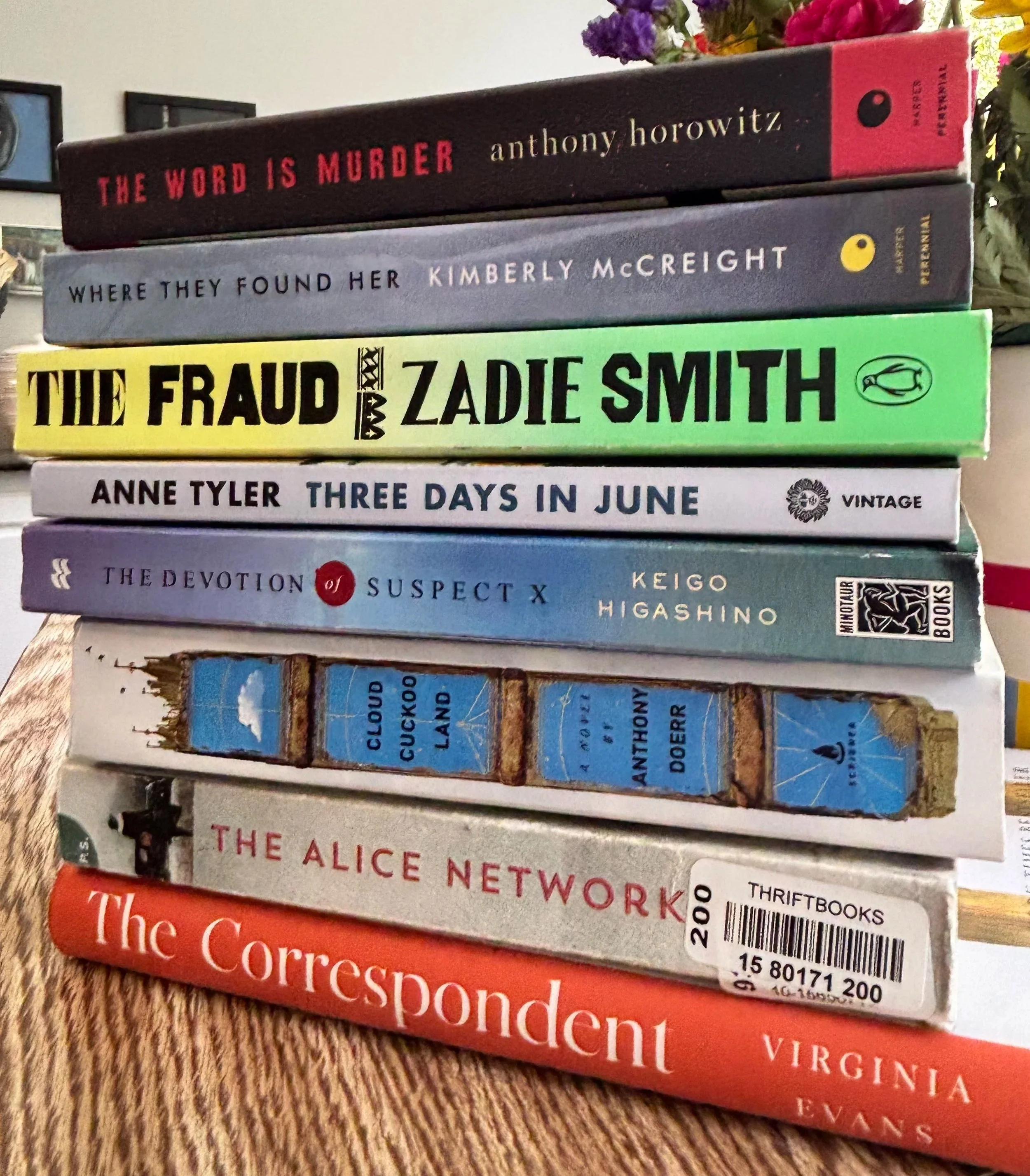
How can it be that I read ALL THE TIME and the stack of must-read books on my nightstand continues to grow? (This doesn’t even include all the e-books I’ve nabbed through BookBub deals still lined up on my e-reader!) I blame book clubs. They are the culprits, the real reason the TBR stack never shrinks. When I’m invited to a book club discussion of one of my books, the conversation inevitably turns: What are you reading? Which authors do you love? And because I’m in a room of insightful, informed readers, I know they read good stuff. So the titles start flying, leaving me to scramble to add new faves to the Notes app in my phone. These are the books real people love, not the books with the biggest advertising budgets. So, patiently waiting in my long “to read” cue are books that cross genres—historical fiction (of course) along with thrillers, domestic fiction, mysteries, non-fiction, and a few classics that I’m just now getting around to.
This summer, I savored every page of Steinbeck’s East of Eden, with its cascading, unhurried descriptions of character and setting. Eager to learn more about crafting beautiful sentences? Read Steinbeck. His Salinas Valley saga winds through the years in a style unrecognizable from newly-published novels—the ones where the protagonist, on page one, charges out of the gate with quirks, riddles, and bombast to ensure the reader’s attention doesn’t wander. In contrast, Steinbeck eases you into his world, inviting you to follow the trail he lays out that begins at the Civil War and continues into the early 20th century. I read a used copy, benefitting greatly from these handwritten notes a previous reader provided.
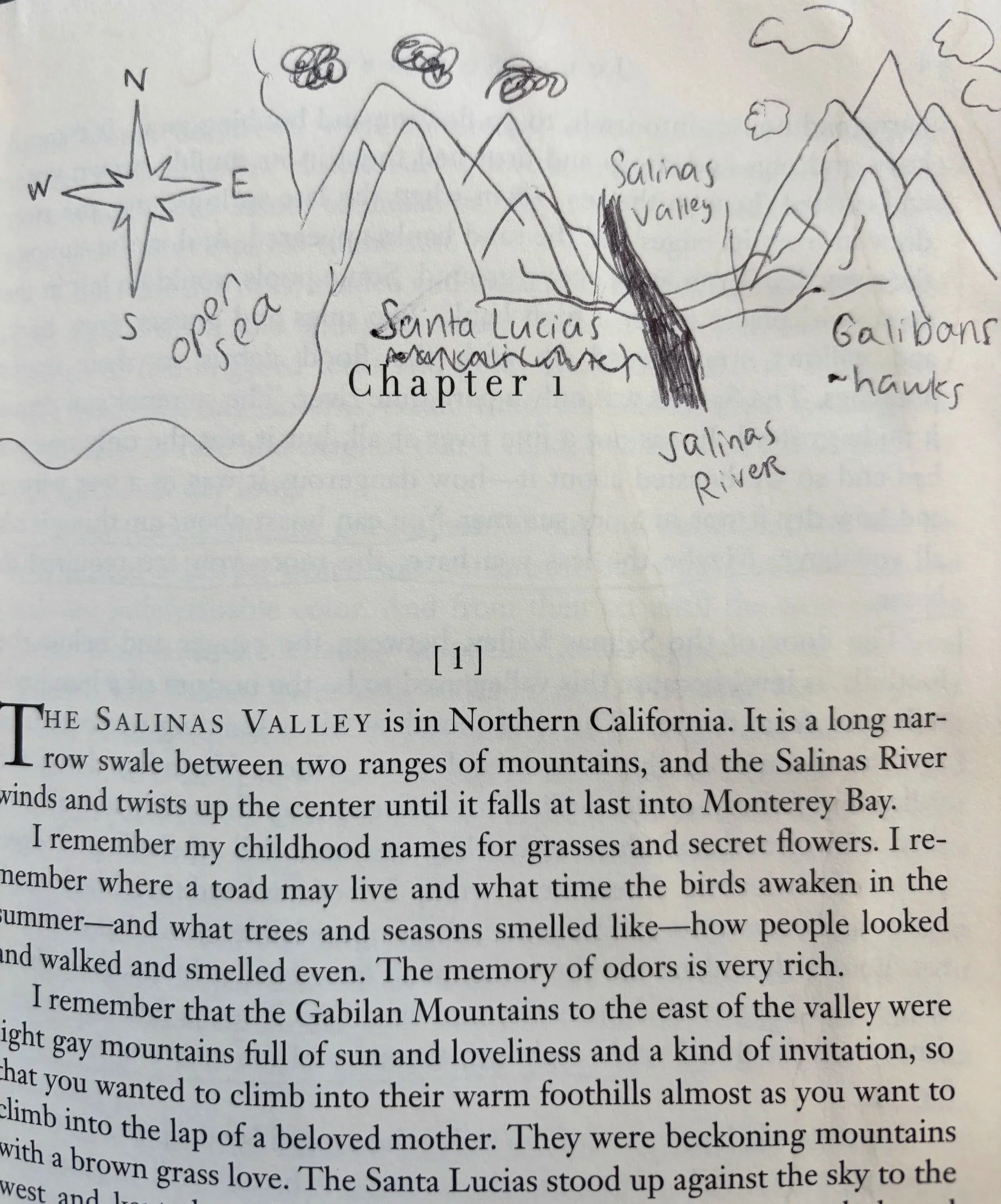
Visual cliff notes in my previously used copy of East of Eden
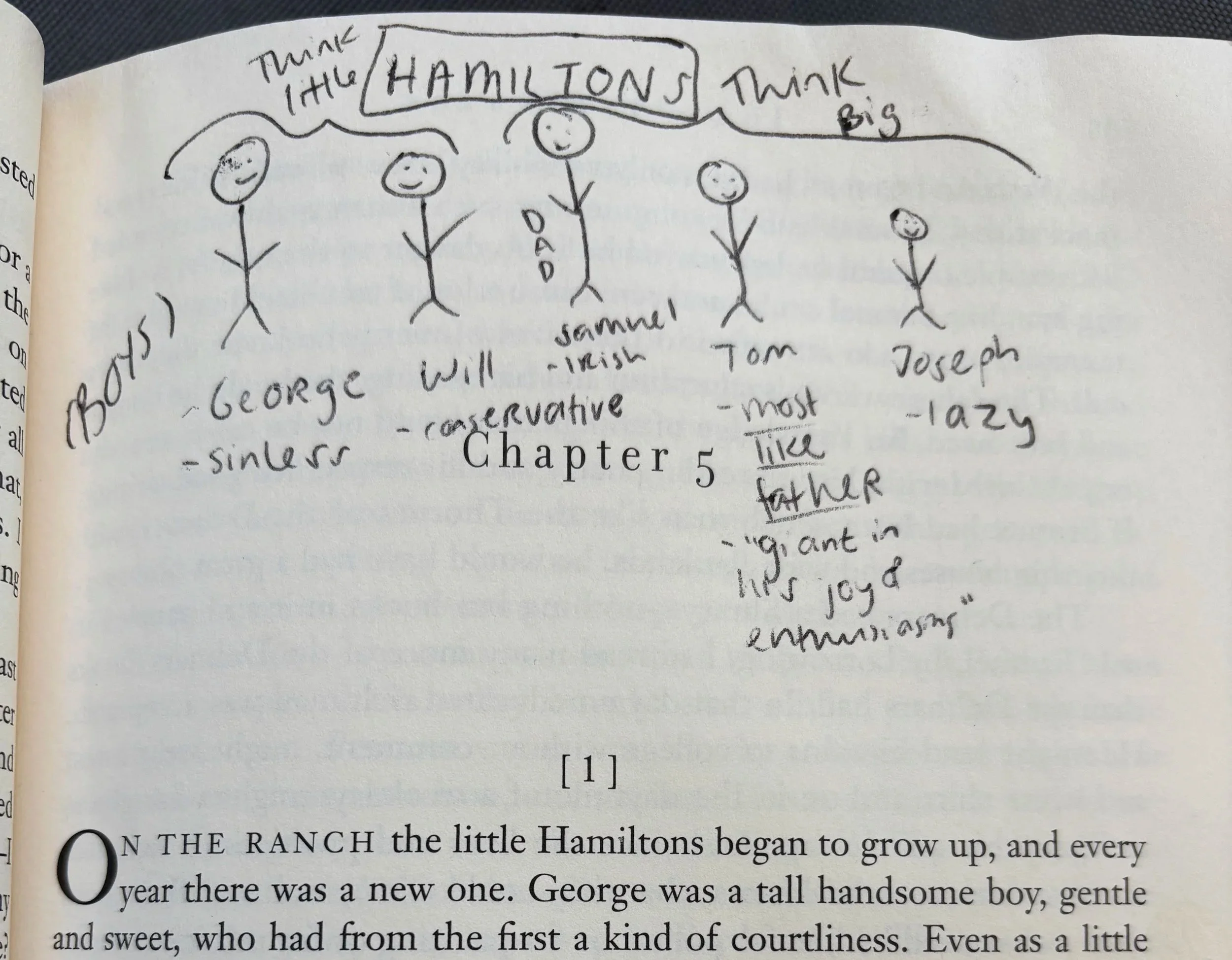
A portion of Samual Hamilton’s family tree
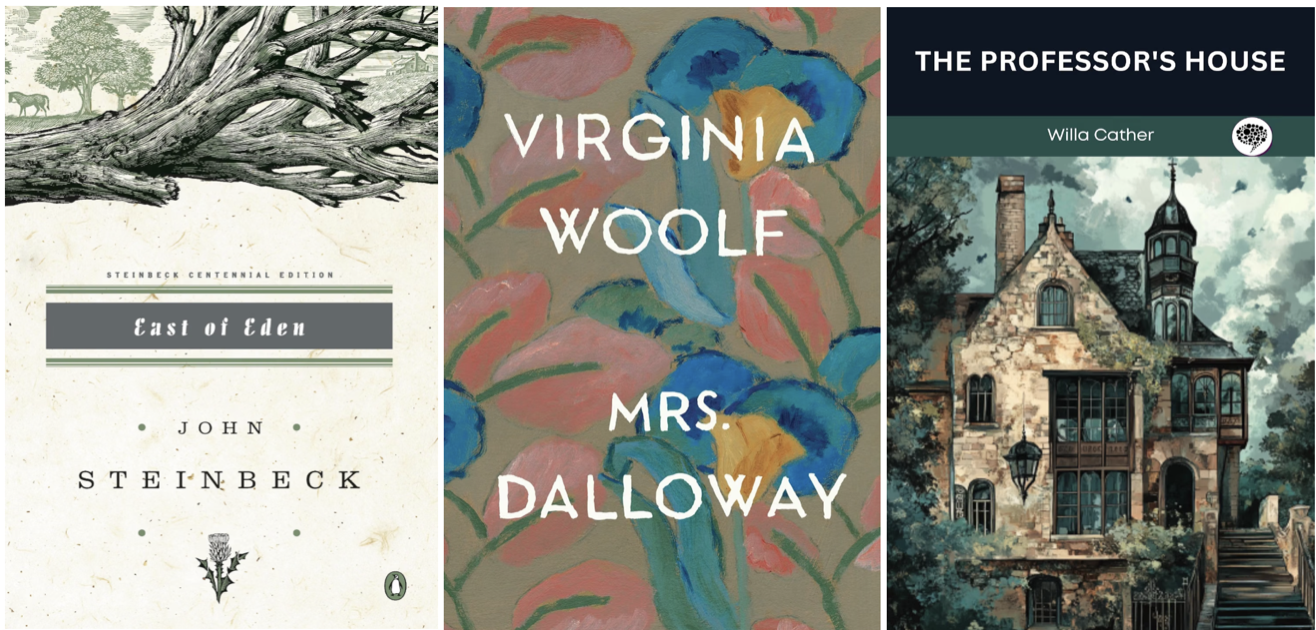
Other classics I’ve recently picked up include Wolfe’s Mrs. Dalloway—the stream-of-consciousness narrative of love and despair, among the first daring, modernist novels published in the 1920s. Cather’s The Professor’s House, which explores male despair at midlife, was published at nearly the same time. While both address similar themes, the stylistic approaches are vastly different, with Wolfe’s breathless overlapping narratives and run-on sentences and Cather’s languid, deliberate prose and carefully-set scenes.
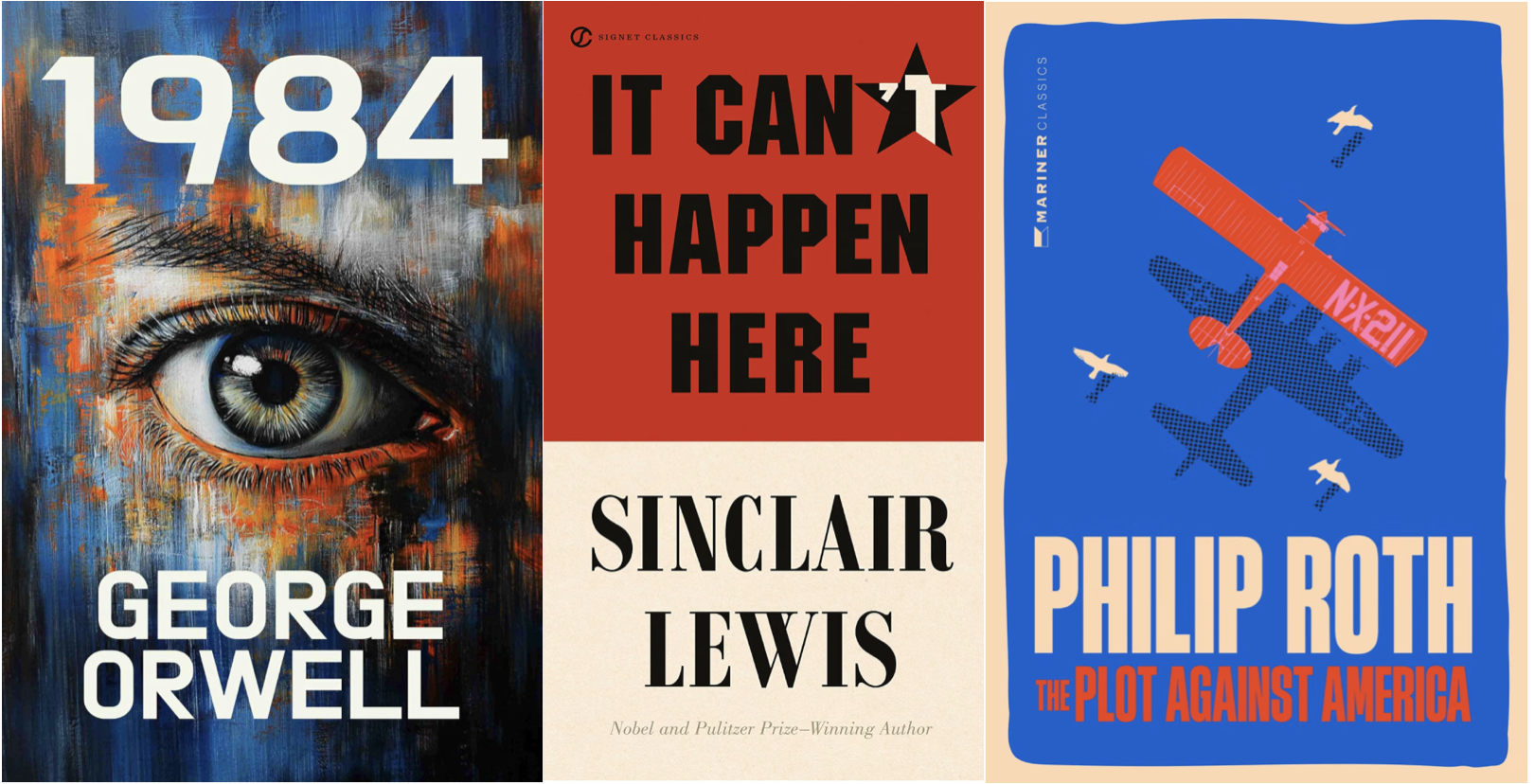
I read Orwell’s 1984, and It Can’t Happen Here by Sinclair Lewis back to back, finding in their pages startling echoes of the current day’s news; autocrats and oligarchs desire to amass power and riches is a dangerous, recurring theme of our history. And let’s add Phillip Roth’s The Plot Against America to the list. While not a classic per se, Roth writes an alternative history in which Roosevelt loses the 1940 election to Charles Lindbergh, whose fascist, anti-Semitic sympathies are ignored until it’s too late. A cautionary tale, as they say. Absolutely chilling, if you read today’s headlines.
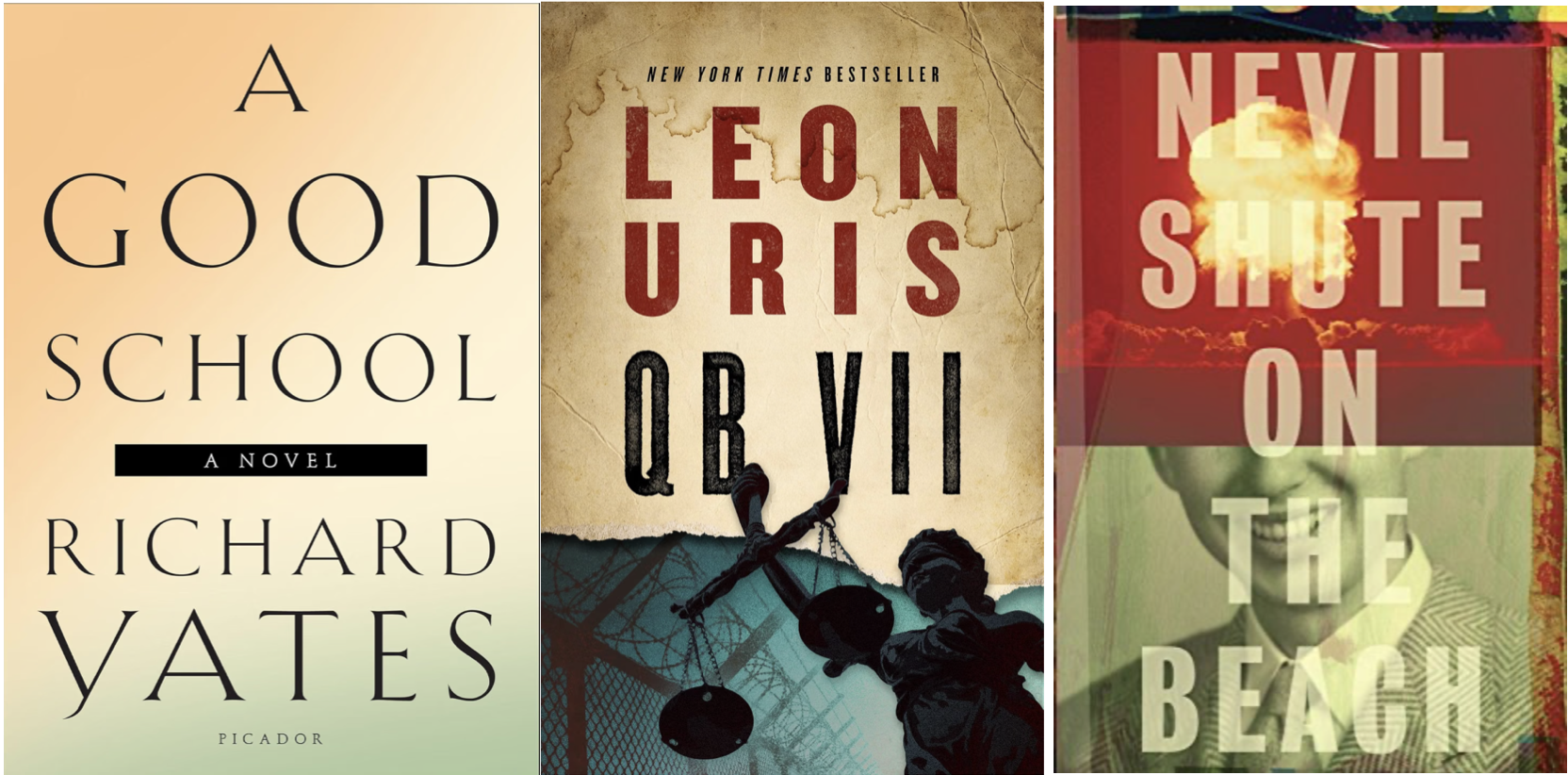
A Good School by Richard Yates is a spare, elegiac glimpse inside a boarding school just as World War Two upends the future that students and faculty had envisioned. My current read is Leon Uris’ QB VII, set just after the war as those who lost everything in the Holocaust seek accountability and recompense. Another war-related classic I read this year was Shute’s On the Beach, a 1957 novel about humanity’s end after a nuclear war. This is an odd one—for one thing, the American naval officer at the center of the story uses Britishisms like “fortnight”which threw me every time—but the author’s picture of how people might choose to spend their final days is intriguing…and very, very sad.
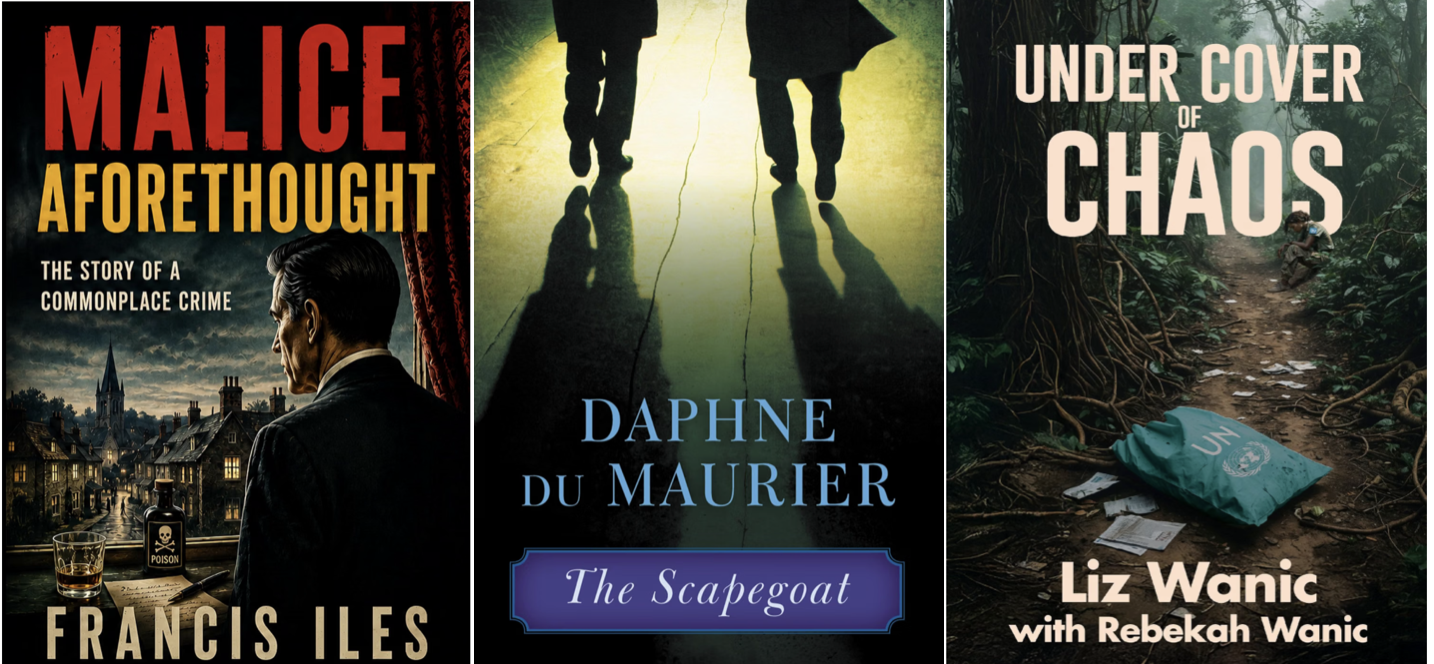
The best mystery/thriller I’ve read recently is an oldie, too. Malice Aforethought by Francis Iles has THE BEST opening line: “It was not until several weeks after he had decided to murder his wife that Dr. Bickleigh took any active steps in the matter.” No bombast here, but a line that ensures you’ll keep reading to see how his plans work out. I also loved Daphne du Maurier’s The Scapegoat , full of the gothic twists the author is known for. Then there’s Liz Wanic’s debut Under Cover of Chaos , set in a UN mission in the Central African Republic. A page-turner that kept me up much too late. I have begun to shy away from the more popular mystery/domestic suspense novels lately because the plots seem so similar and unsurprising—not as “twisty” as the blurbs claim. You know, the reliable husband and father who turns out, in the last twenty pages of the book, to be a serial killer. Wouldn’t there—shouldn’t there—have been SIGNS? Give me the carefully-placed breadcrumbs, scattered among the pages, so I’ll slap my forehead at the end, realizing the clues have been there all along.
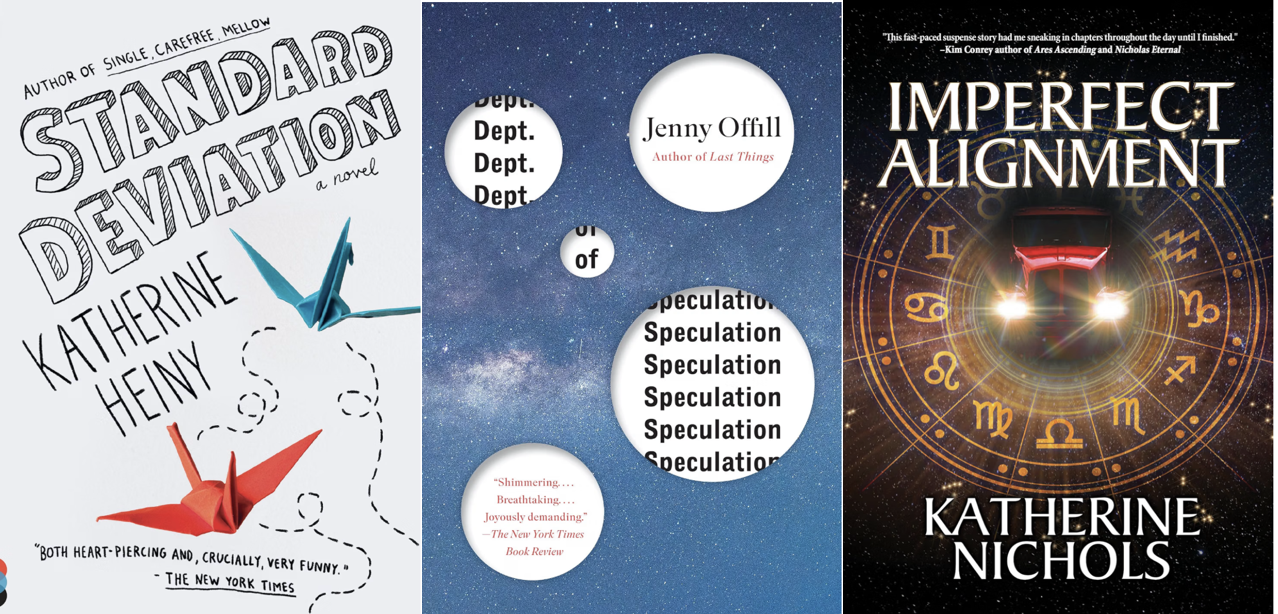
In the domestic fiction category, Standard Deviation is a sweet little piece of lit fiction, the anxious but big-hearted characters well-drawn. Dept. of Speculation is an angsty-er and sadder exploration of a marriage, the narrative presented in staccato bursts, observations that at first appear unrelated. Think Mrs. Dalloway without the shadows, color, and detail. I’ll leave it to others to decide if it’s effective. I don’t need the story spoon-fed to me, but I do sometimes wish an editor had smoothed some things out. Seeking a read with a genuine Southern flavor, I raced through Nichols’ Imperfect Alignment—its wounded cast of characters doing their utmost to navigate frayed family ties.
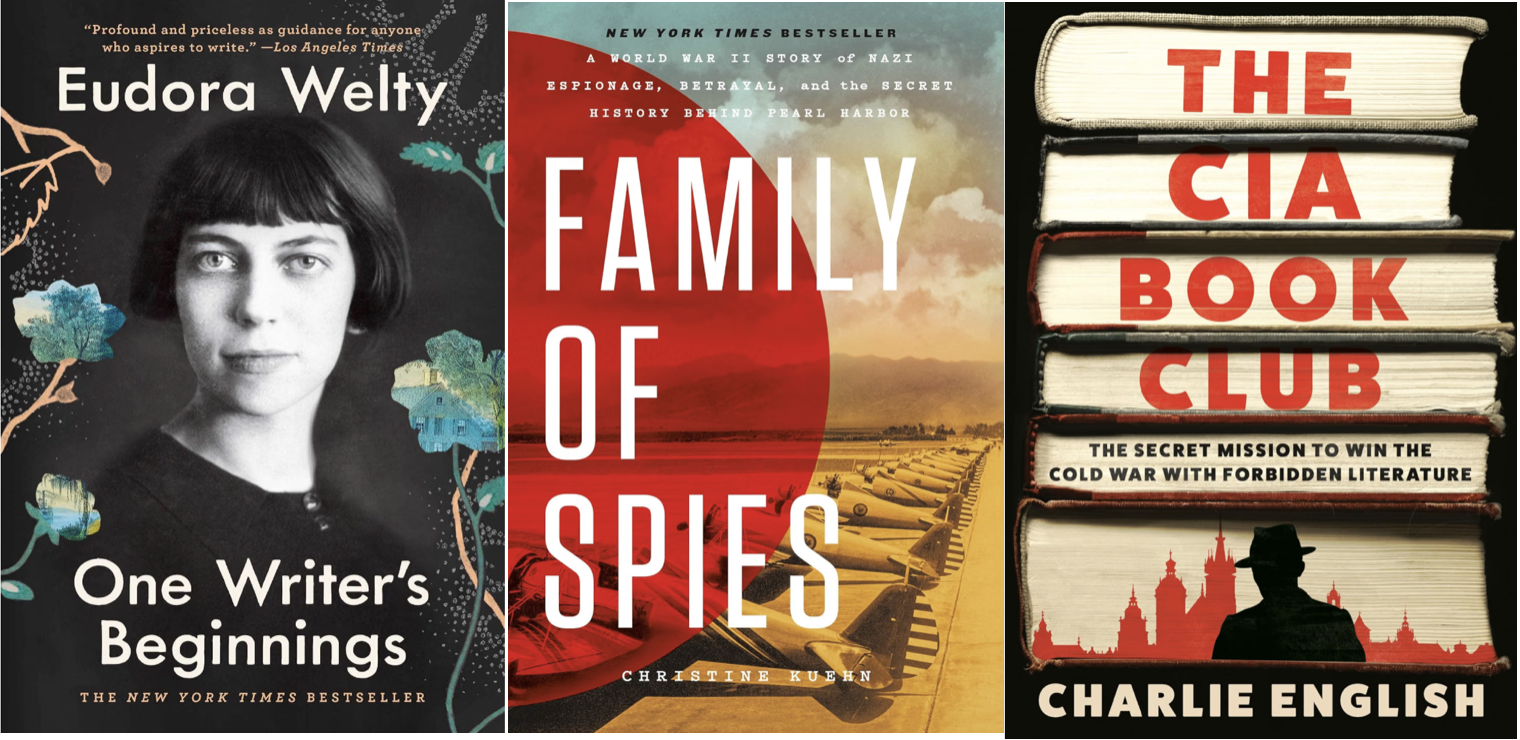
After reading tomes on writing by Stephen King and Anne Lamott, I’m turning next to one by Pulitzer Prize and American Book Award winner Eudora Welty. One Writer’s Beginnings explores the seeds of Welty’s boundless creativity from her earliest days in her Mississippi home. Two other non-fiction faves this year include the jawdropping Family of Spies by Christine Kuehn—the story of a family of Nazis in Honolulu who funneled information to the Japanese before the Pearl Harbor attack. (How did they get away with this? you ask yourself again and again as you read.) The CIA Book Club by Charlie English is brilliantly researched and tells how a vast and coordinated effort to get books into Poland led, ultimately, to the end of the Communist oppression there. A hopeful, insightful, and uplifting read.
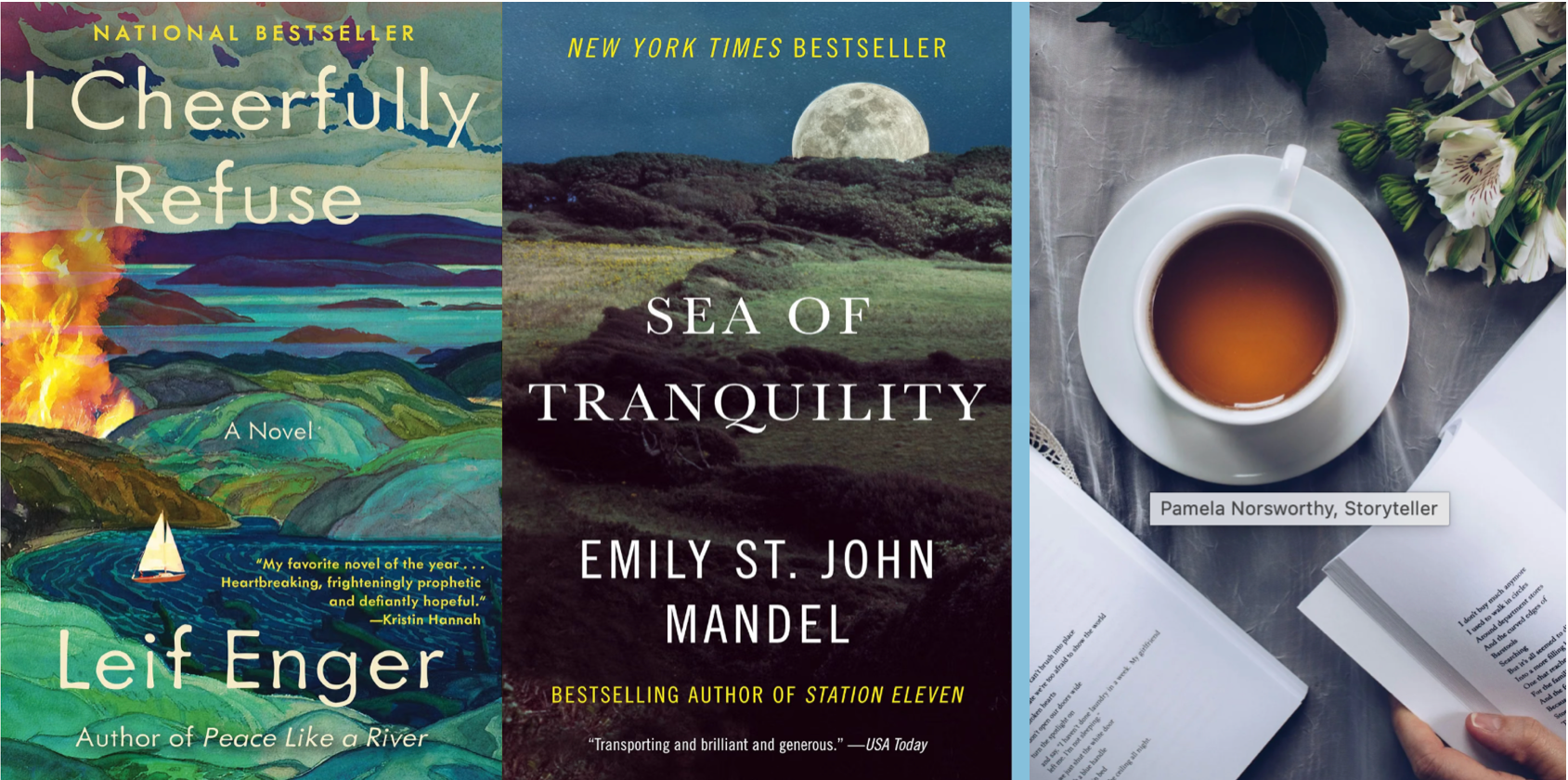
The best science-y fiction I’ve read this year is the beautifully written I Cheerfully Refuse by Leif Enger. No robots and hi-tech stuff, just very human characters struggling to find joy and hope in a collapsing world. Sea of Tranquility with Emily St. John Mandel’s fluid, pitch-perfect prose kept me guessing as I raced through the pages.
I read Theo of Golden mostly because I was so curious about the polarized reception of this book. It was a phenomenon to be sure—a self-published novel scooped up for distribution by a big publisher—so I was curious. Alas, it resembled a kind-hearted Hallmark movie: pleasing in some ways, but predictable, non-complex, and ripe for some editing. Another love it/hate it book in my stack is The Correspondent so I’ll let you know in which camp I land. After that, I intend to dive into Holland’s Normandy 44 a recounting of Operation Overlord through the eyes of the soldiers who were there—because there is always more to learn!
I read some Lily King in recent months, one Alice McDermott, and a couple by William Boyd—imaginative authors who rarely disappoint. I’ve not included in this run-down the books I used for historical research for my next novel because they are arcane and specific and not exactly reads you cozy up to. And finally (my mild critiques above notwithstanding), I’m not including the novels I didn’t love because to each his own, right? Novels I just didn’t get might be among your favorites. And the important thing here is to just keep reading and learning. Find reviews I’ve posted to Goodreads here.