The Tiniest Details Matter in Historical Fiction
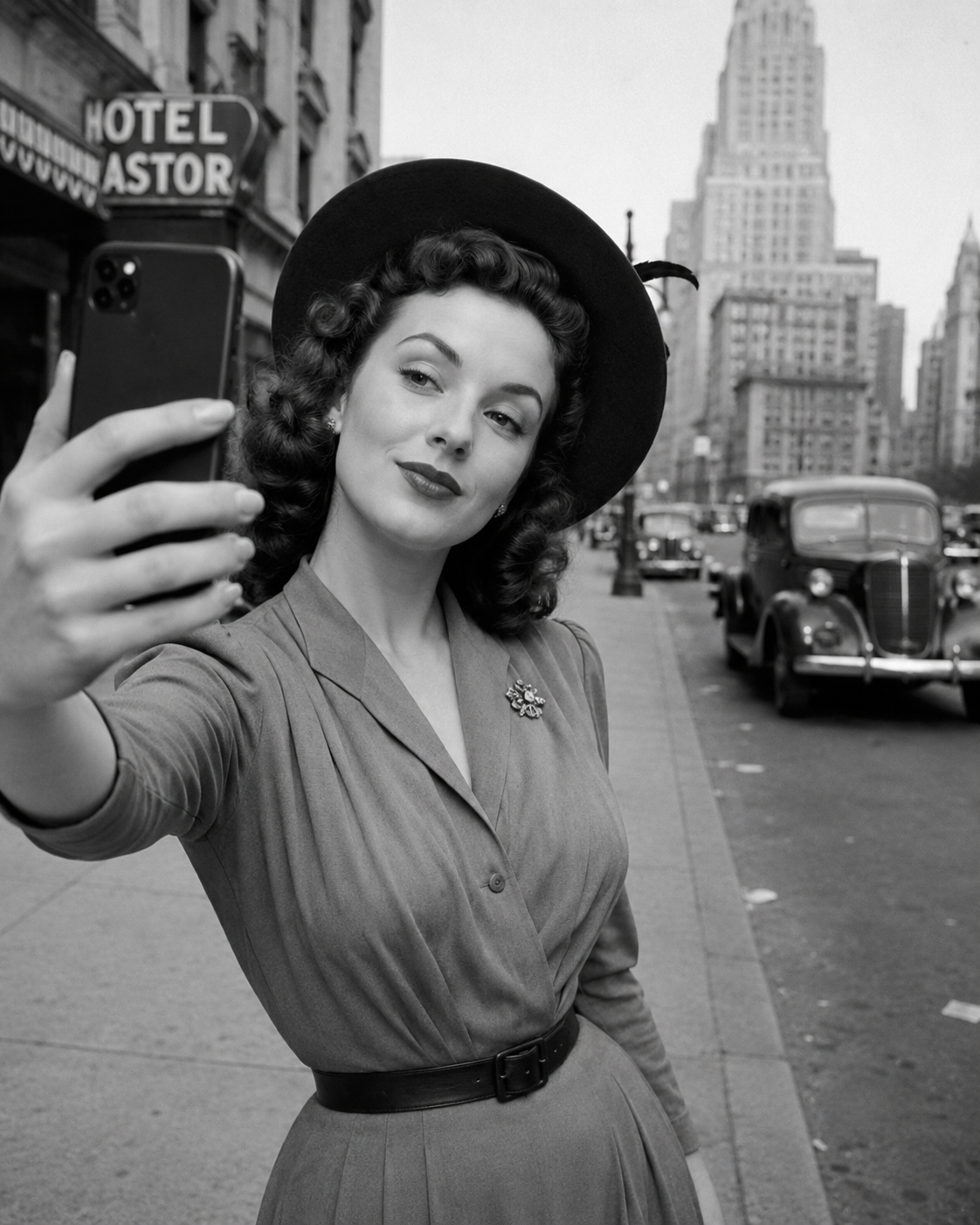
Nothing yanks a reader out the immersive world of historical fiction like a contemporary reference turning up in the wrong decade. Or century. At least for me. Consider:
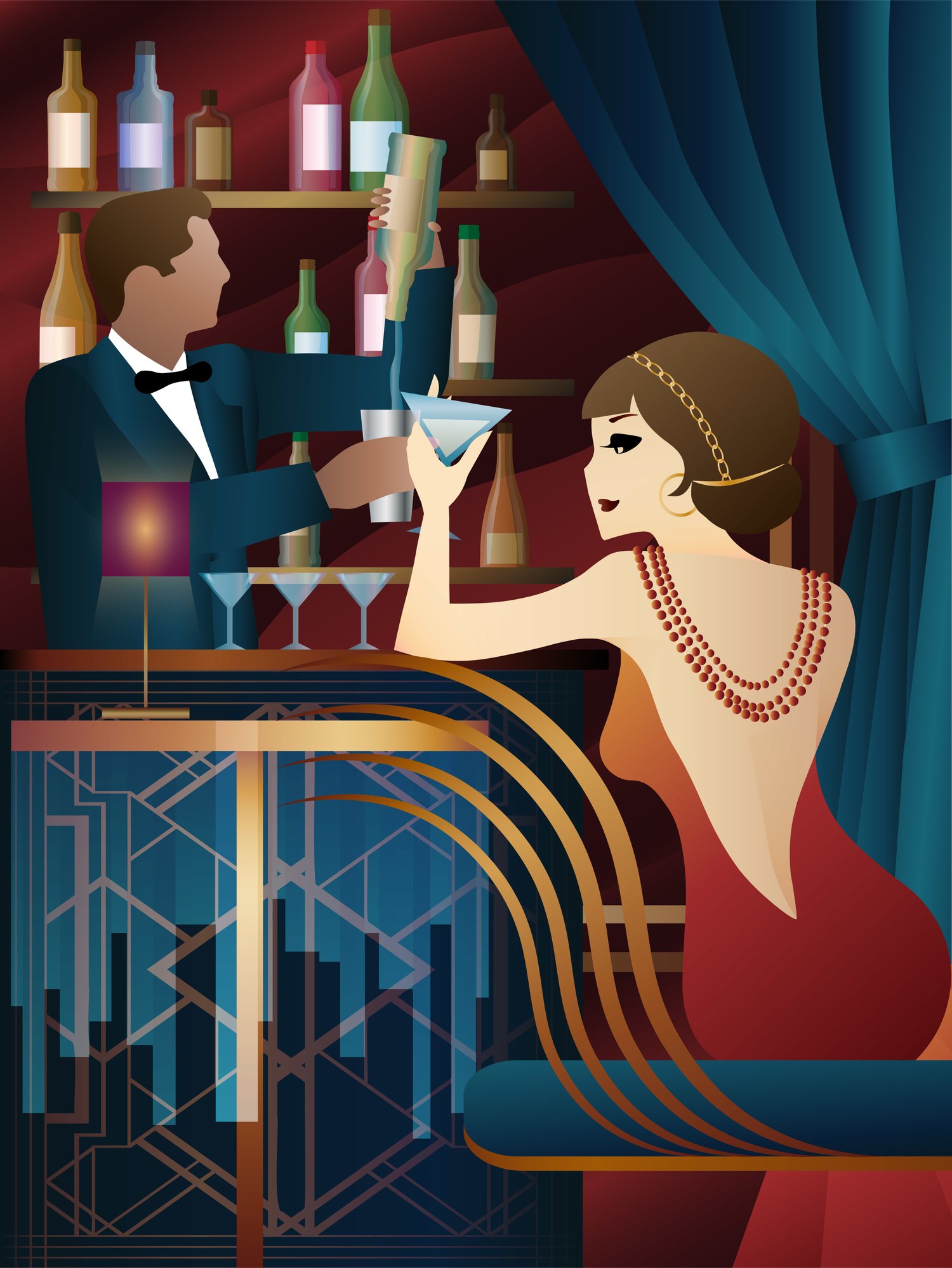
1940: A prepossessing man leans over to light a woman’s cigarette in a loud, smoke-filled bar. She’s just slinked onto a stool, drawing his attention with the red satin swing dress she wears. Their eyes lock as Glenn Miller’s music swells in the background. Then the man reaches for a Coors Silver Bullet, a brand of beer not available in NYC until after 1980.
1950: An anxious young woman retrieves the mail that’s just spilled through the slot in her front door. She looks through the stack, relieved to see a letter addressed to Ms. Harriet Hightower in her husband Herbert’s hand, sent from his base in Korea, despite the fact that use of the title “Ms.” didn’t enter the vernacular until the 1970s.
1960: A woman pads into her kitchen wrapped in a thick robe, her feet in shiny slippers, her damp hair bobby-pinned off her face, newspaper tucked in her arm. She’s exuberant and ready to begin her morning routine. She beelines to the cabinet, humming, and pulls out a canister of coffee. Then she cranks up the Mr. Coffee despite the fact the Mr. Coffee kitchen appliance wasn’t invented until the 1970s.
Historical fiction isn’t a matter of dropping contemporary characters with their current-day sensibilities (and conveniences) into an earlier era. Stories in this genre become compelling and convincing when authors give readers a sense of how people lived in the era, use the linguistic rhythm they used, detail the challenges endemic to the time. To evoke that requires unearthing tinier, very specific details that lend veracity and authenticity to the story and setting. The best written novels in historical fiction require deep research into the big events that frame the timeline as well as all the little stuff too. For the historical fiction reader, nothing kills a mood like anachronistic product placement or a choice of words that doesn’t ring true to the historical moment.
I write twentieth century fiction. I’m drawn to wars and conflicts and the way they upend the lives of everyday people, geopolitics colliding with the plans of average Joes who believed their lives would unspool a certain way. Creating characters and writing stories of the 40s, 50s, 60s, and 70s, there are cultural and societal realities to respect and understand that go a long way in guiding a plausible, believable plot. Women and minorities dealt with cultural limits and constraints—social norms that determined what jobs they could hold, neighborhoods where they could live, dreams to which they might aspire. The playing field was decidedly unlevel. (I’ll note there are determined forces at work today eager to return us to that earlier era.) So, if a female or minority character is portrayed in a 60’s novel working a C-suite job, how they got there is a story unto itself—their grit and ingenuity, perhaps even some lucky breaks or a mentor who helped smooth their rise. A rich backstory would be vital to explaining how this plucky character achieved this power given it was not at all commonplace.
Social events—parties, graduations, recitals, even church pot lucks—
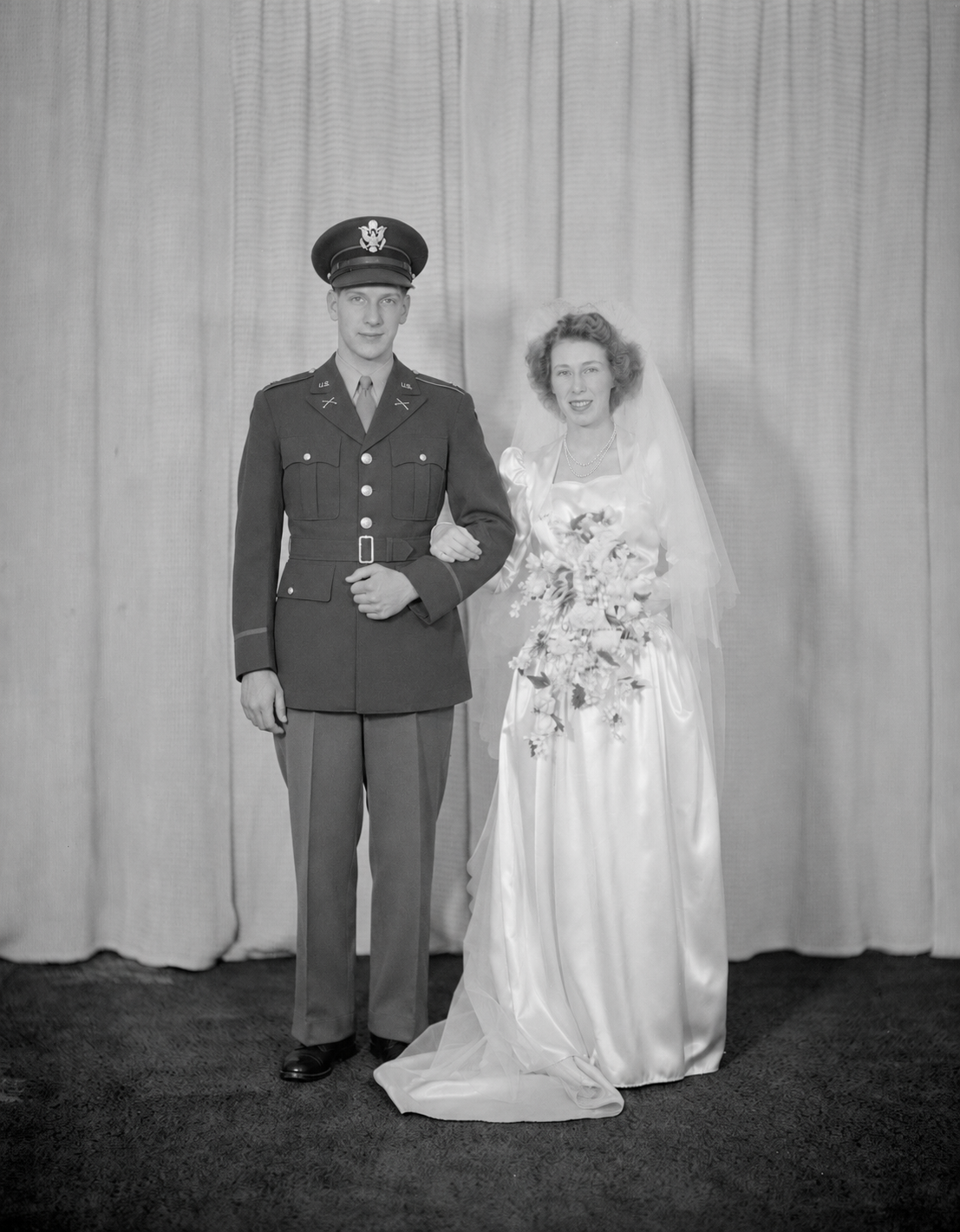
All of these looked different back in the day from what we experience today. While we might think a traditional wedding and reception have rolled out pretty much the same way since our parents got married, that’s only partially true. Let’s take the 40s, when middle class folks didn’t aspire to elaborate nuptials, given the war economy and the fact they were only a few years removed from the Great Depression. People were thrifty. They were savers. They were at war and wary the next crash was right around the corner. A wedding set in the mid-twentieth century was usually held in church, a community center or at home. Grooms wore suits or their military uniforms, rarely tuxes. They were officiated by clergy (not best friends) and punch and cookies followed in the parlor. Economic realities would have affected the type of the fabric used for the wedding dress, whether friends were tapped to furnish appetizers (there was food rationing during the war), and how many guests might have been invited.
And the flowers: it’s worth a Google to learn what types of flowers would have been affordable and available in this setting. Unlike today, you couldn’t fill a chapel in Hoboken with hydrangeas in December. Couldn’t be done. (Image edited by ChatGPT)
So, if the story features an unusually fancy wedding and reception in the 40s—when families did not tap home equity loans for weddings—the narrative has to address how something so fancy-schmancy is possible. Maybe the groom is the well-to-do heir of a prominent family. Maybe the bride’s parents are social climbers who sold their house to pay for everything. Or perhaps the bride herself is a thief! Whatever the context, it will necessarily connect to and drive other elements of the plot.
Authentic, accurate details aren’t just nice-to-haves: they’re essential to reinforce the historical atmosphere and keep the reader’s head in the story. We’ve all had the experience—reading an historical novel and and bumping into an anachronism. And I’m always, always perplexed. How did nobody spot this, I wonder. How did it sneak through multiple rounds of editing? Do publishers read the books they send to market? (Play along with me here.) Might a pass though an AI program have flagged the error? In my work, I lean on a cast of Beta readers who send me lists of things they question. They are all terrifically smart and well-read with different backgrounds in the law, language, the military, geography, and more. They often do their own research when something seems off, then call to discuss what they’ve found. I’m deeply indebted to each of them for the time they spend and the work they do to make my work better.
So with that, let’s revise the examples above.
The guy at the bar is drinking a martini. Or scotch neat. But not a Coors.
The letter would, of course, be addressed to “Mrs. Herbert (husband’s name) Hightower.
The woman in the bathrobe would pull out her percolator and place it on the stove to make her coffee. It would take longer to make so she might need to get up a little earlier, which means she might not be doing her cheerful humming. And despite her anachronistic use of the Mr, Coffee, at least we didn’t find her fetching a Keurig pod from the pantry.
Created by ChatGPT