Oops, I Wrote Another Book
To my great surprise, I’ve finished writing the manuscript of my third historical fiction novel. 2026 has been a busy year with the publication in January of my second book, THE FLORENTINE ENTANGLEMENT, bringing with it bookstore events, book clubs, and interviews—all things I love to do that nevertheless compete with getting words on paper. But over time, I’ve learned that even when I can’t be in front of my computer, I can still make progress when I’m working on a novel. Once the story framework begins to emerge, even with only the broadest of outlines, it seems my subconscious just starts working to sort out plot points and understand the predilections of various characters. I can follow ideas and see where they go—if they hold up and lead me to cool and interesting places or if they won’t work and need to be discarded. Along the way, I scribble a note here and there to remind myself of all this. When I can finally sit down to write, it feels like a lot of the spade work is already done; I’m really just taking dictation.
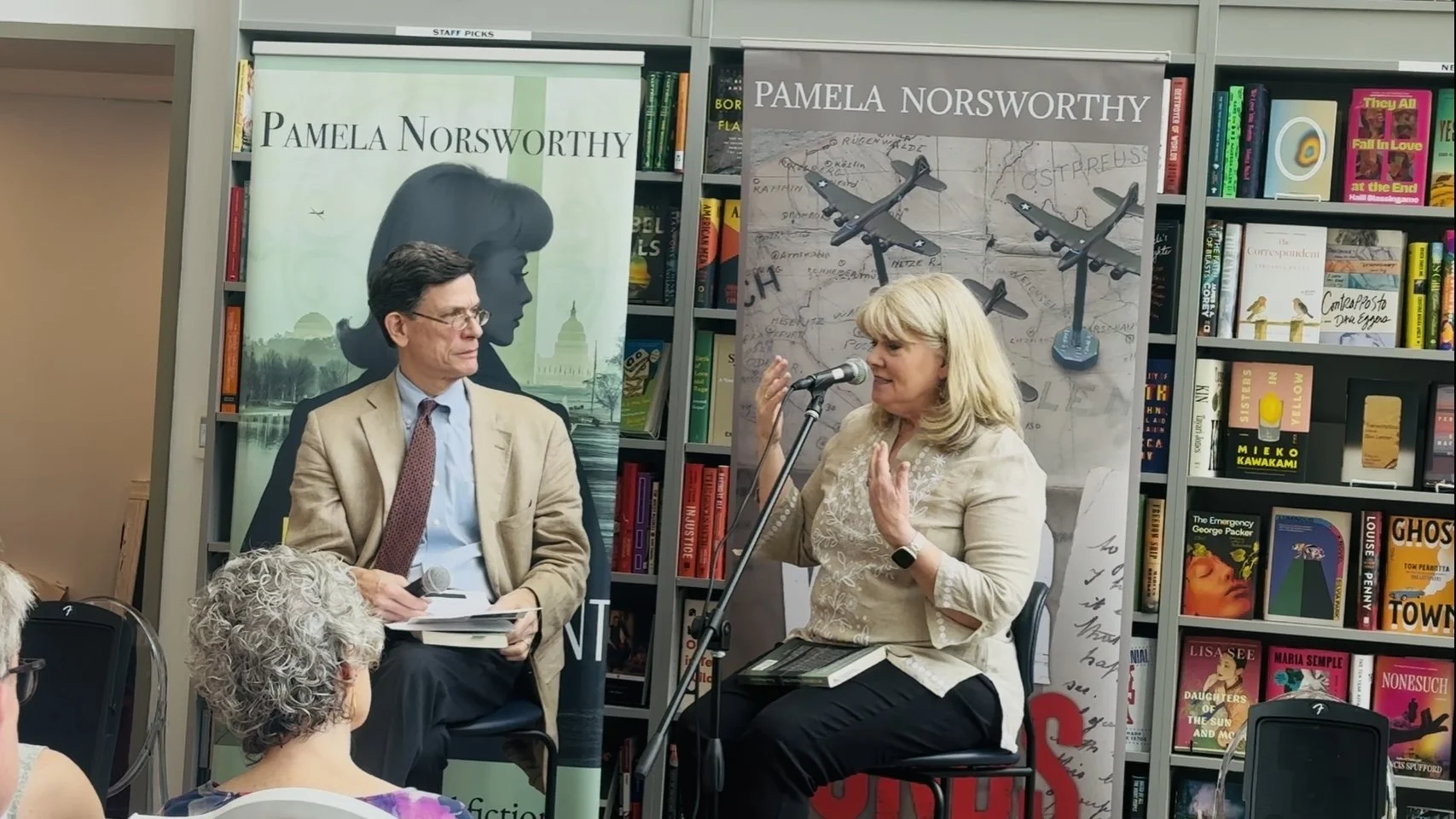
With interviewer Brad Marsh, Charlottesville, VA
I started the research for this book in 2025 and began getting thoughts on paper soon after. Midway through last year, my cherished critique group formed, writers who spot things I miss and fire up my imagination with their observations and comments. Last fall, I was in the studio recording FLORENTINE for Audible—an incredibly time-consuming enterprise, at least for me. I credit my critique partners with keeping me going on the new book. Left to my own devices, I might have stalled.
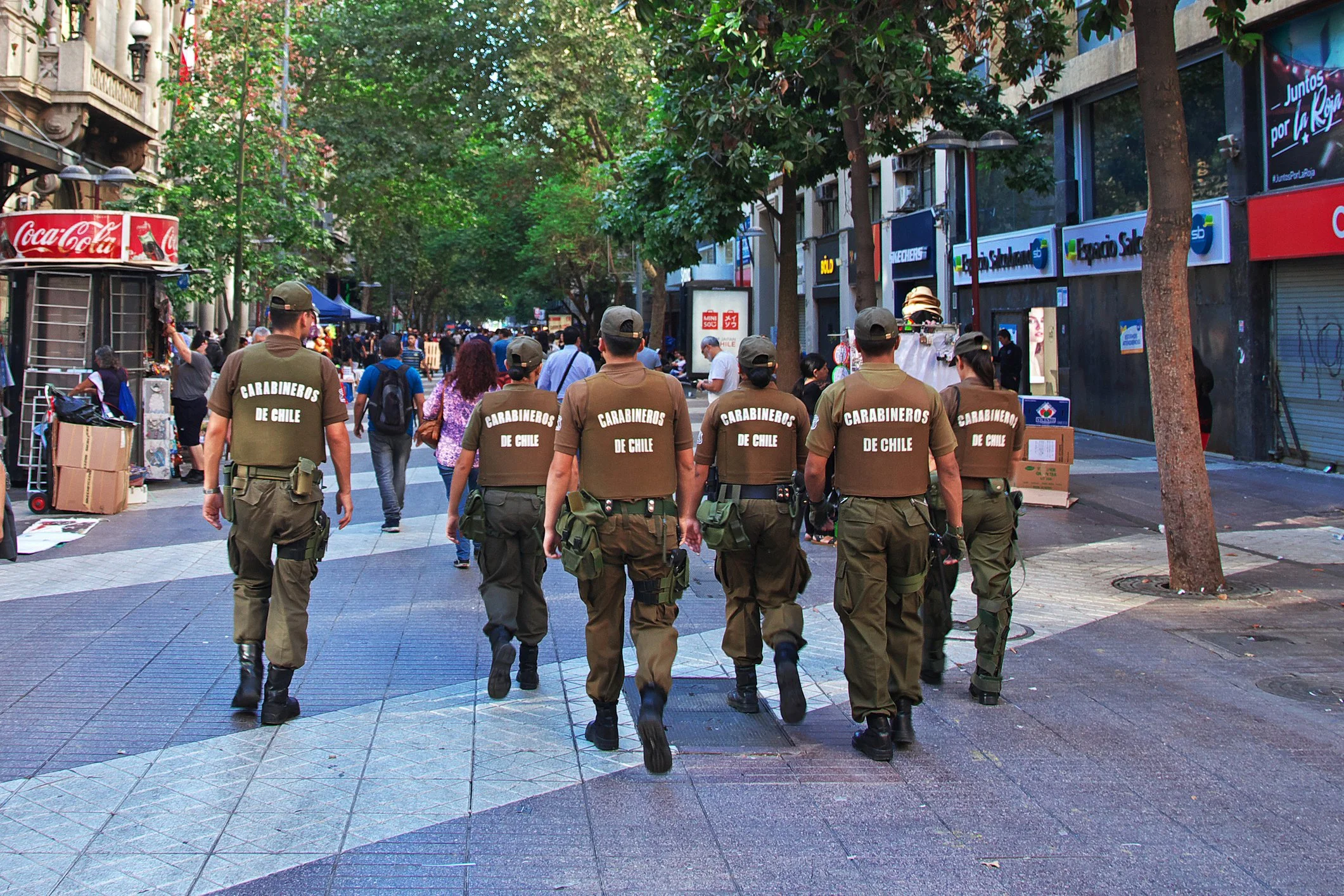
Carabineros in Santiago
Set in the early 1970s in Chile and based on real events, this story explores a different aspect of the Cold War from my last book. It follows an American family caught up in the danger and violence as a Marxist president is deposed by a military junta in a coup d’état. I lived in Chile in this era and my father held a position similar to a character in the story. My research revealed various viewpoints about the extent of the American role in the coup. What is not disputed is that Chile’s economy was failing and President Salvador Allende’s attempts to limit checks on his power crossed a line the Chilean military could not abide. Concurrently, the U.S. government was alarmed about the growing Cuban and Soviet influence in their formerly sturdy ally, influence Allende invited in. But the remedy, as philosopher Francis Bacon is credited with saying, can be worse than the disease. The years following Allende and then the military take over—when the autocrat Augusto Pinochet rose to power—are some of the darkest in Chile’s history. Thousands went missing as the junta worked to rid the country of Allende’s onetime supporters—los desaparecidos. Many are missing still.
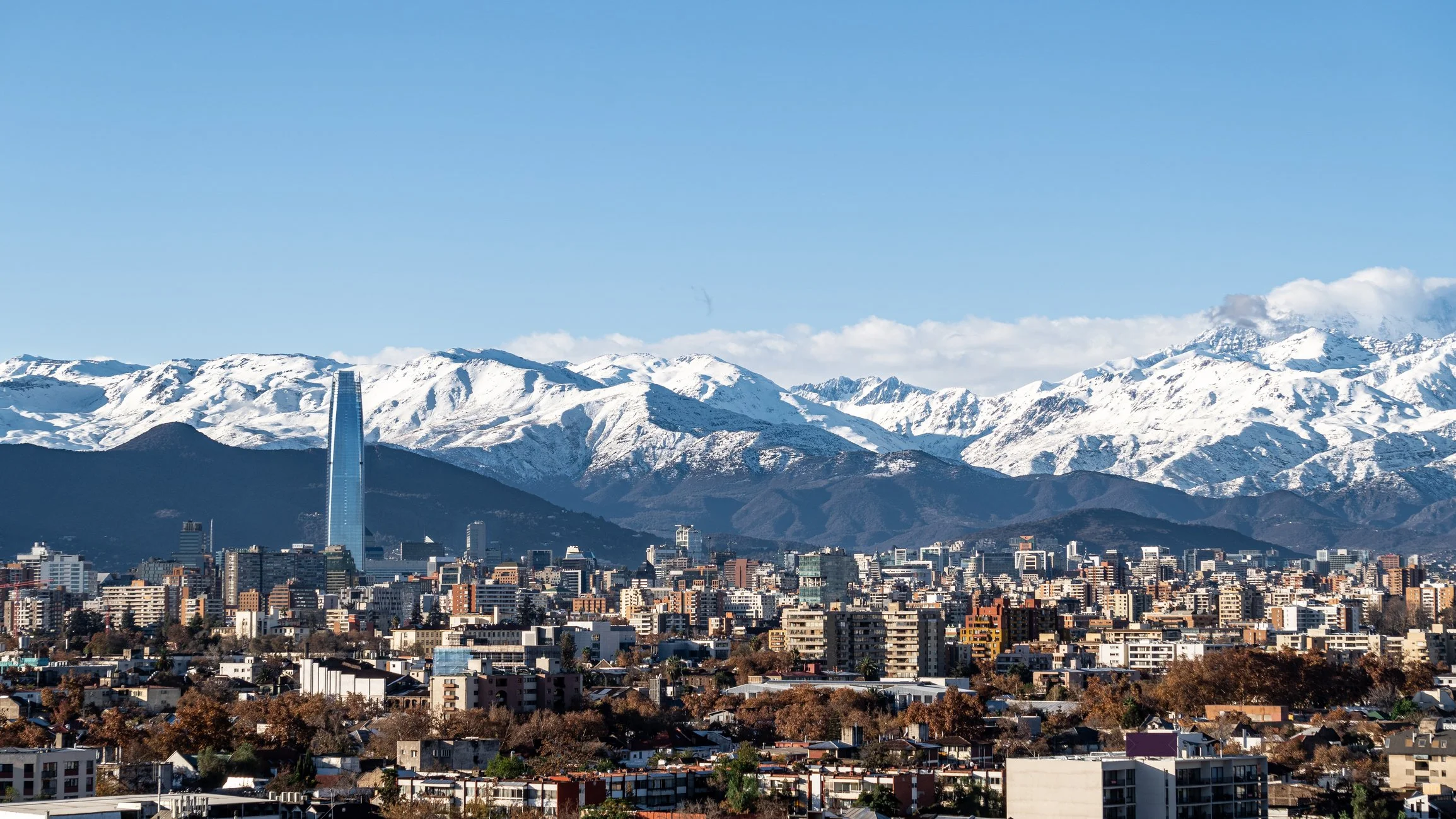
Santiago, Chile
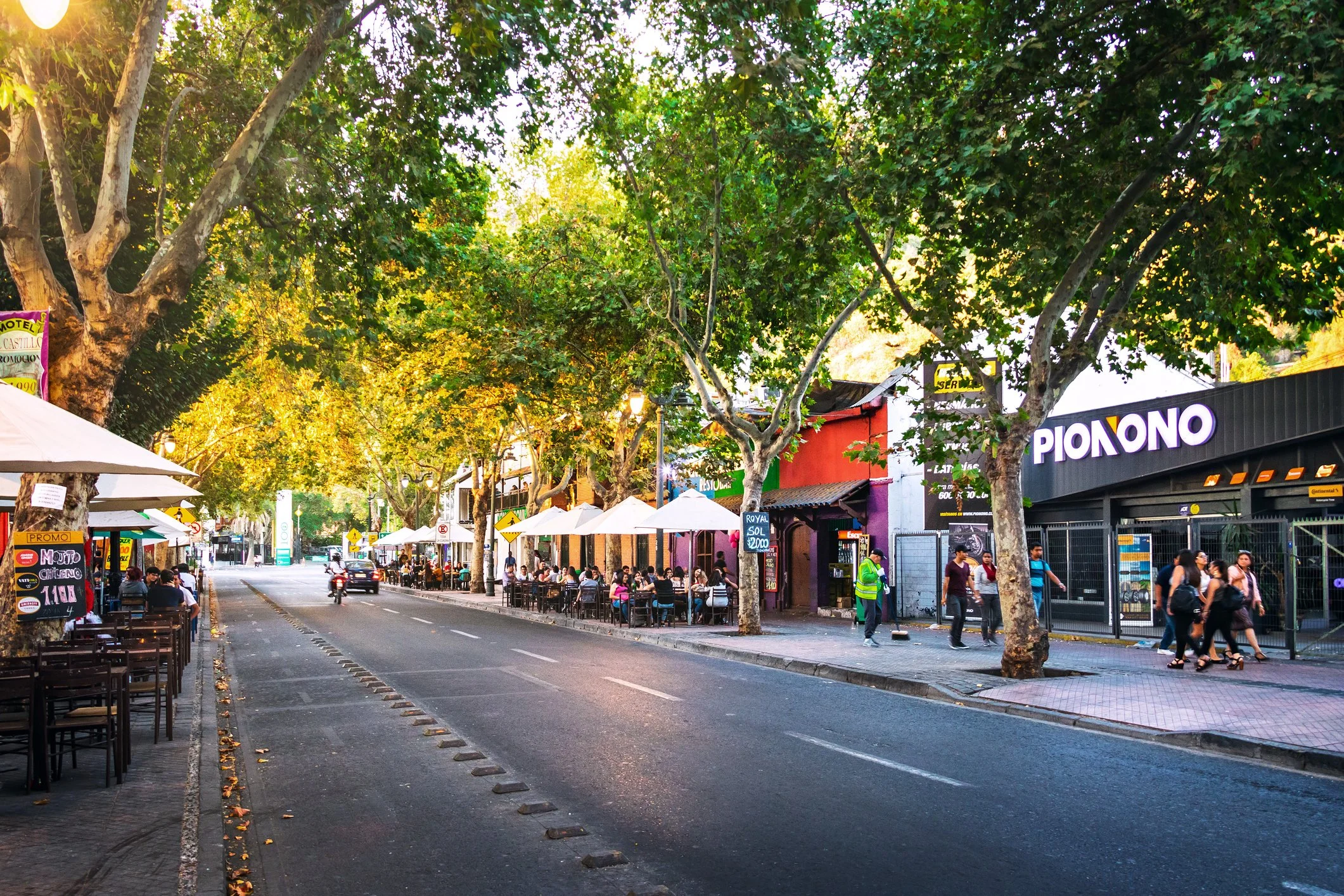
Providencia, Santiago Chile
I’m calling this book PROVIDENCIA. It’s the Spanish word for providence as well the name of a trendy neighborhood of Santiago—Chile’s capital city where much of the story take place. The title presented itself to me early on. But there was one variable I did not anticipate: characters from my previous two books showing up and demanding to be part of the story. They were insistent that I share how life had treated them since they last appeared on the page. They’d had kids and changed jobs and lived interesting lives. Who was I to say no?
In PROVIDENCIA, onetime bomber pilot Jack Philip, whose heart was broken in WAR BONDS, returns. He’s an Air Force Colonel, married to Katharine and they have two children they uproot and take to Chile, despite their protests. Jack is still the dutiful guy you met in WAR BONDS, still insulating those around him from having to grapple with hard things. He works closely with Talbot Bentley and his wife Eleanor, whom you met in THE FLORENTINE ENTANGLEMENT when they were embroiled in Cold War trials of their own. While the Bentleys seem to finally have a hand on their personal life, they have not left their high-stakes work behind. This is not a true series; you don’t have to read the earlier novels before you read this new one. But it might be more fun if you do, so you can catch some of the Easter eggs and winks I’ve written into these pages.
In the days ahead, I’ll post my source material for PROVIDENCIA—the books I read as part of my research into Chile’s political history. And of course, I’ll keep you apprised here as this new book makes its way toward publication.
With so much gratitude.